
"Zhu Kula Dream Manor"
36000 article(s) found

Yunnan Zhukula Coffee fragrance for a hundred years
Following caf é comments (Wechat official account vdailycom) found that Beautiful Cafe opened a small shop of its own. In recent years, cafes in major cities in the mainland have sprung up, and drinking coffee has become a new consumption fashion for young people. However, when and where did the earliest coffee cultivation in the mainland begin? There have been different opinions, until in recent years, there is finally an answer: a risk is far away, a person.
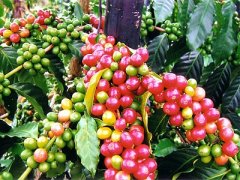
A brief introduction to Yunnan small Coffee the History of Yunnan small Coffee the Origin Cloud of Yunnan small Coffee
In 1892, French missionary Father Tian succeeded in growing coffee in a place called Zhukula in Yunnan. Up to now, there are still 24 coffee trees which are more than 90 years old in Zhukula Township. Zhu Kula is a mysterious, legendary and beautiful natural village, which belongs to the Zhukula Village Committee of Pingchuan Town, Binchuan County, Dali Prefecture. It is located on the banks of the Yubao River, a tributary of the Jinsha River. It is a Dali Prefecture, Chuxiong Prefecture and Lijiang.

Where was coffee first grown in China?
Where was coffee first grown in China? According to historical materials, in 1902, a French missionary, a priest named Tian Deneng in Chinese, introduced coffee trees into a village called Zhu Kula in Binchuan County, Dali, Yunnan Province, and successfully planted them. Since then, coffee trees have been introduced to all parts of Yunnan, and have achieved great success. Therefore, the ancestor of Chinese coffee species is in Zhu Kula village, but it is a pity that when

Yunnan small Fine Coffee Bean introduction Iron Card Fine Coffee China Yunnan Coffee
Although Zhu Kula is poor and backward, it has an inextricable bond with coffee. In addition to growing coffee all over the country, the villagers all have a tradition of drinking coffee: self-growing, self-grinding and self-brewing, and now men, women and children in the village have the habit of drinking coffee. The villagers here have a special feeling for coffee trees, even if the coffee beans do not bring them any economic benefits.
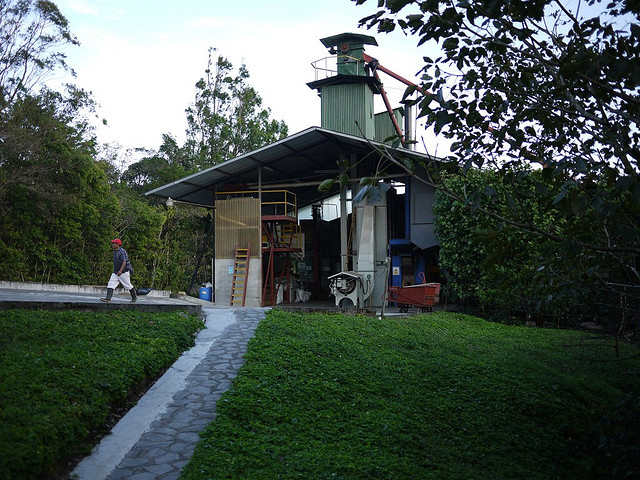
Where was coffee first grown in China? China Yunnan Coffee Yunnan purchases Coffee Raw Materials
Where was coffee first grown in China? According to historical materials, in 1902, a French missionary, a priest named Tian Deneng in Chinese, introduced coffee trees into a village called Zhu Kula in Binchuan County, Dali, Yunnan Province, and successfully planted them. Since then, coffee trees have been introduced to all parts of Yunnan, and have achieved great success. Therefore, the ancestor of Chinese coffee species is in Zhu Kula village, but it is a pity.

Introduction to the export grindability treatment method for the flavor characteristics of Yunnan coffee beans
Yunnan coffee flavor describes the first coffee seedling in China, which was cultivated and planted by French missionary Father Tian in 1892. At that time, he spread the gospel and benefited the people in Zhu Kula Village, Pingchuan Town, Binchuan County, Dali Prefecture, Yunnan Province. Zhu Kula Village is known as the first Coffee Village in China. Although the residents here do not rely on coffee as the main means of survival, every household drinks coffee.
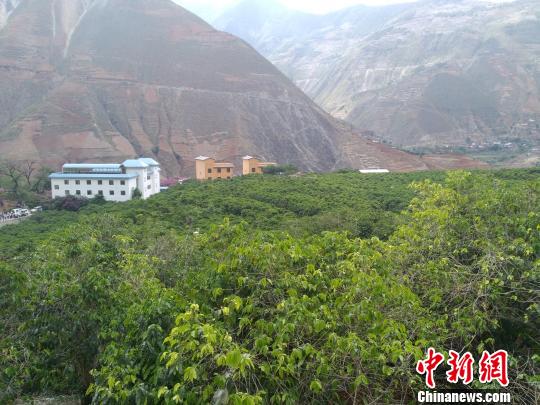
Experts and scholars from five countries in Yunnan Binchuan discuss the new development of century-old coffee
Professional baristas please follow the coffee workshop (Wechat official account cafe_style) on the 16th, coffee experts and scholars from China, the United States, Ethiopia, India and France gathered in Zhukula Village, Binchuan, Yunnan Province to open the Zhu Kula Coffee Forum to discuss the future of the century-old coffee-Zhukula Coffee, in order to help ethnic minorities shake off poverty and become rich and Yunnan Coffee goes out. Chinanews.com, Binchuan, Yunnan

Yunnan small Coffee introduces the characteristics of Yunnan Coffee the taste and flavor of Yunnan boutique coffee
Yunnan small-grain coffee: Yunnan small-grain coffee, Rubiaceae, coffee genus, the planting area is mainly distributed in Lincang, Baoshan, Simao, Xishuangbanna, Dehong and other states. [1] small grains of coffee are native to Ethiopia or Arabian Peninsula. It is cultivated in Fujian, Guangdong, Hainan, Guangxi, Sichuan, Guizhou and Yunnan. The Origin of Yunnan small Coffee: in 1892, French missionary Father Tian

Do you know Yunnan small grains of coffee? Let's get to know some of its development knowledge.
Yunnan small-grain coffee: Yunnan small-grain coffee, Rubiaceae, coffee genus, the planting area is mainly distributed in Lincang, Baoshan, Simao, Xishuangbanna, Dehong and other states. [1] small grains of coffee are native to Ethiopia or Arabian Peninsula. It is cultivated in Fujian, Guangdong, Hainan, Guangxi, Sichuan, Guizhou and Yunnan. The Origin of Yunnan small Coffee: in 1892, French missionary Father Tian
The hundred-year memory of Yunnan Coffee Zhu Kula
A hundred years ago, when the French missionary Tian Deneng planted a coffee tree seedling on the land of Jukula, a small mountain village, China has been destined for coffee ever since.

Yunnan small Fine Coffee beans Iron pickup Coffee beans introduce the characteristics of Iron pickup Coffee
Yunnan has a long history of growing coffee and has a unique climate advantage. Yunnan small grain coffee has the characteristics of strong but not bitter, fragrant but not greasy, slightly sour and so on. According to the International Coffee Organization, Yunnan small-grain coffee is similar to Colombian small-grain coffee in quality, and its products are highly competitive in the market. At present, 95% of China's coffee raw materials are produced in Yunnan. Therefore, Yunnan's coffee industry is responsible for

Yunnan small Coffee Bean brewing suggestion sharing the difference between Iron truck and Katim Coffee varieties
Professional coffee knowledge exchange more coffee bean information please pay attention to the coffee workshop (Wechat official account cafe_style) Yunnan small coffee beans are iron pickup or Katim? What is the difference between the flavor of solarization, washing and honey treatment? At present, the coffee varieties in Yunnan are Bobang, Tippica, and Katim, which
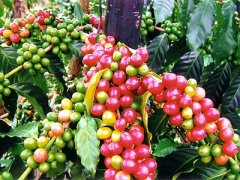
Introduction to Coffee beans-- Yunnan small Coffee Origin Yunnan Coffee characteristics Cloud
Origin: in 1892, French missionary Father Tian succeeded in growing coffee in a place called Zhukula in Yunnan. Up to now, there are still 24 coffee trees which are more than 90 years old in Zhukula Township. Zhu Kula is a mysterious, legendary and beautiful natural village, which belongs to the Zhukula Village Committee of Pingchuan Town, Binchuan County, Dali Prefecture. It is located on the banks of Yupao River, a tributary of the Jinsha River. It is a Dali Prefecture and Chuxiong.
Yunnan small grain coffee the history of Yunnan small grain coffee
Yunnan small-grain coffee taste: when Yunnan small-grain coffee is imported, you first taste a hint of sweet and bitter taste, the nose is full of coffee aroma similar to the smell of flowers, and there is a slight sour taste on both sides of the tongue. If you continue to taste it, the sour taste will spread to the cheeks, but it is very light and quiet. If you like to drink strong coffee, there will be a powerful throb of temples and heart, which is exciting. Drink cloud

How to brew Yunnan small Coffee Flavor description how to deal with the characteristics of varieties and growth environment
Although Yunnan coffee Zhu Kula is poor and backward, it has an inextricable bond with coffee. In addition to growing coffee all over the country, the villagers all have a tradition of drinking coffee: self-growing, self-grinding and self-brewing, and now men, women and children in the village have the habit of drinking coffee. The villagers here have a special affection for coffee trees, even if the coffee beans do not bring them any economic benefits.

Introduction to the varieties of Yunnan Coffee Bean produced by Grinding and Calibration method
Although Zhu Kula is poor and backward, it has an inextricable bond with coffee. In addition to growing coffee all over the country, the villagers all have a tradition of drinking coffee: self-growing, self-grinding and self-brewing, and now men, women and children in the village have the habit of drinking coffee. The villagers here have a special feeling for coffee trees, even if the coffee beans do not bring them any economic benefits.

Taste of Tippika Coffee introduction to the Variety Grinding scale Manor in the planting Environment
Yunnan small grain coffee originated from Baoshan Lujiangba, is currently the largest production place in Yunnan, and is recognized as one of the origin of fine coffee in the world, mainly iron pickup and Katim. Iron pickup is a traditional variety with low yield, good taste, high yield and poor taste. Katim is Nestl é coffee.

How is the quality of Yunnan Zhukula small coffee beans? how can Zhukula small coffee beans taste good?
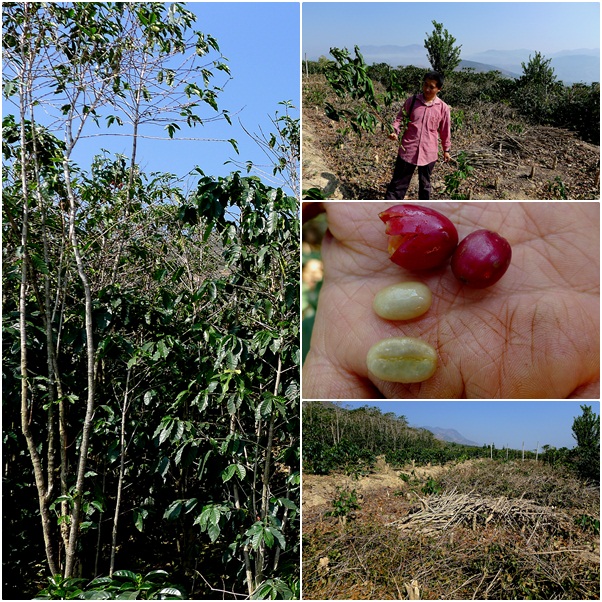
Professional coffee knowledge exchange more coffee bean information Please follow the coffee workshop (Wechat official account cafe_style) two years ago, I accidentally went to Zhukula village and came back with no time to tidy up. Yesterday, while tasting the coffee my colleagues brought from northern Europe, I suddenly remembered these photos. I can still smell the pure native coffee in the mountain.

History of Coffee in Caiyun South of Yunnan Province
Coffee originated in Ethiopia in north-central Africa. It was introduced into the Arabian Peninsula before the 15th century, introduced into Taiwan in 1884 and introduced into Hainan Province in 1908.

Introduction to the taste characteristics of Yunnan small-grain coffee varieties by describing the flavor of Huaguoshan
Although Zhu Kula is poor and backward, it has an inextricable bond with coffee. In addition to growing coffee all over the country, the villagers all have a tradition of drinking coffee: self-growing, self-grinding and self-brewing, and now men, women and children in the village have the habit of drinking coffee. The villagers here have a special feeling for coffee trees, even if the coffee beans do not bring them any economic benefits.